Diabetes (Type 1 & Type 2)
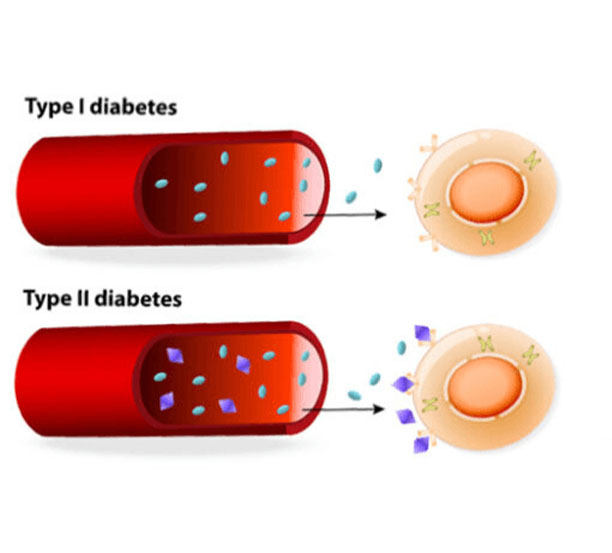
Diabetes is a chronic metabolic condition in which blood sugar levels remain persistently high due to insufficient insulin production or poor utilization of insulin by the body. Type 1 diabetes usually develops at a younger age and requires lifelong insulin therapy, while Type 2 diabetes is more common in adults and is closely linked to lifestyle factors such as obesity, physical inactivity, and unhealthy diet. If not properly managed, diabetes can lead to serious complications affecting the heart, kidneys, eyes, nerves, and overall quality of life.
At our clinic, diabetes care focuses on accurate diagnosis, individualized treatment, and long-term monitoring. Treatment plans include lifestyle modification, dietary counseling, medication management, and insulin therapy when required. Regular follow-ups help achieve optimal blood sugar control and prevent complications. Our approach empowers patients with education and support to manage diabetes confidently and live a healthy, active life.
Diabetes in Pregnant Women & Children
Diabetes during pregnancy, also known as gestational diabetes, can pose risks to both mother and baby if not managed properly. Similarly, diabetes in children requires careful monitoring and specialized care to support normal growth and development. Early detection and timely treatment are essential to prevent complications during pregnancy and childhood.
Our clinic provides comprehensive care for pregnant women and children with diabetes. We focus on close monitoring of blood sugar levels, nutritional planning, safe medication use, and regular follow-ups. For pregnant women, our goal is to ensure a healthy pregnancy and safe delivery. For children, we emphasize education, emotional support, and family involvement to help them manage diabetes effectively and lead a normal life.

Pre-Diabetes
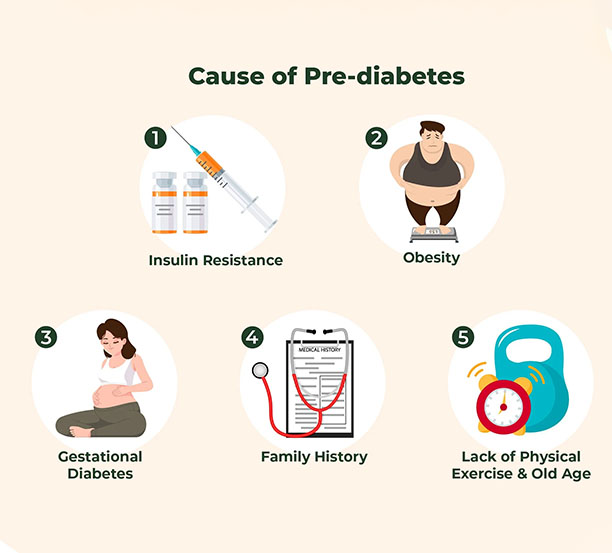
Pre-diabetes is a condition where blood sugar levels are higher than normal but not yet in the diabetic range. It is a critical warning stage that indicates a high risk of developing Type 2 diabetes in the future. Most people with pre-diabetes may not experience noticeable symptoms, making regular screening extremely important.
At our clinic, pre-diabetes is managed through early intervention and lifestyle modification. Personalized diet plans, weight management, physical activity guidance, and regular monitoring help reverse or delay the progression to diabetes. With timely care and patient awareness, pre-diabetes can often be effectively controlled, protecting long-term health and reducing future complications.
Obesity, High Cholesterol & Metabolic Syndrome
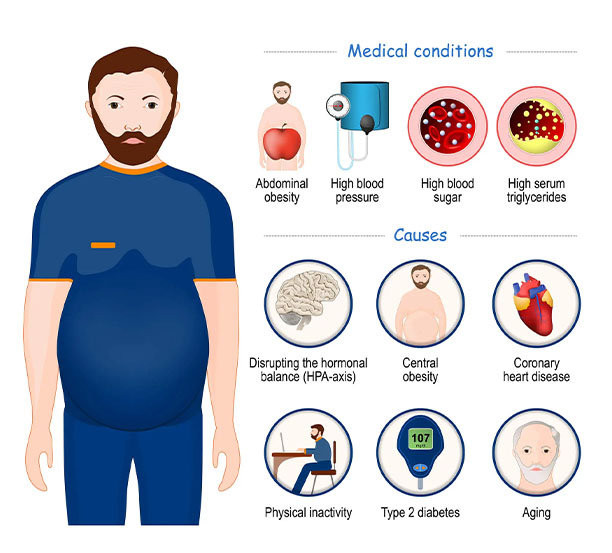
Obesity and high cholesterol are major risk factors for diabetes, heart disease, and metabolic syndrome. Metabolic syndrome is a cluster of conditions including abdominal obesity, high blood pressure, abnormal cholesterol levels, and insulin resistance. Together, these conditions significantly increase the risk of cardiovascular diseases.
Our clinic offers a comprehensive approach to managing obesity and metabolic disorders. Treatment focuses on sustainable weight loss, dietary counseling, physical activity planning, and medical management when needed. Regular monitoring helps improve cholesterol levels, blood pressure, and overall metabolic health. Our aim is to help patients achieve long-term lifestyle changes and reduce the risk of serious health complications.
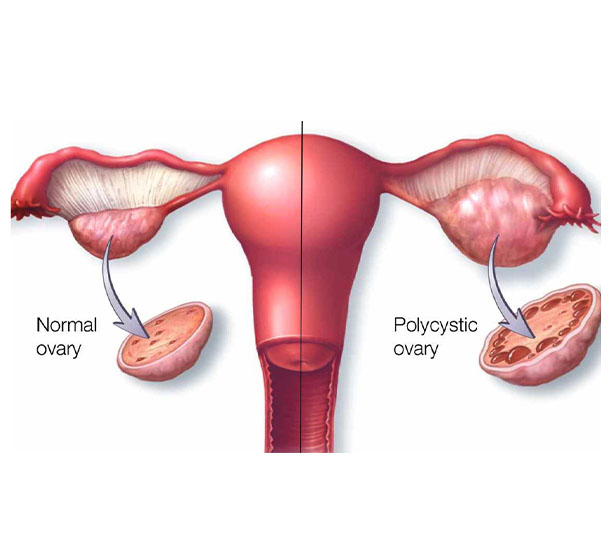
PCOD / Hormonal Menstrual Disorders
Polycystic Ovarian Disease (PCOD) is a common hormonal disorder affecting women of reproductive age. It can cause irregular periods, weight gain, acne, excessive hair growth, infertility, and increased risk of diabetes. Hormonal imbalance plays a central role in PCOD and related menstrual disorders.
At our clinic, PCOD is managed through a holistic and individualized approach. Treatment includes hormonal evaluation, lifestyle modification, weight management, and medications to regulate menstrual cycles and hormone levels. Patient education and long-term follow-up are key aspects of care. With proper treatment and guidance, women with PCOD can achieve hormonal balance and improved reproductive health.
Unwanted Facial / Body Hair in Women
Unwanted facial or body hair in women, also known as hirsutism, is often caused by hormonal imbalance, PCOD, or excess androgen levels. This condition can significantly affect self-confidence and emotional well-being.
Our clinic provides sensitive and comprehensive evaluation to identify the underlying hormonal cause of excessive hair growth. Treatment focuses on correcting hormonal imbalance through medical therapy and lifestyle changes. With proper diagnosis and personalized care, unwanted hair growth can be effectively managed, helping women regain confidence and overall hormonal health.