Recurrent Mouth Ulcers
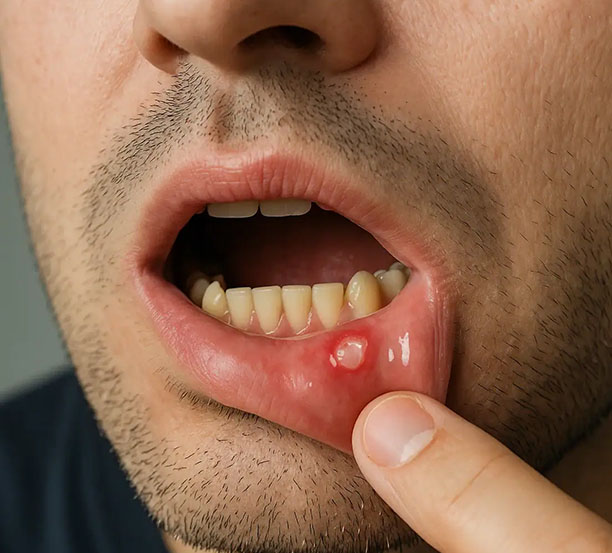
Recurrent mouth ulcers are painful sores that appear inside the mouth and often interfere with eating, speaking, and daily comfort. These ulcers may be caused by nutritional deficiencies, digestive disorders, stress, weakened immunity, or underlying gastrointestinal conditions. Frequent mouth ulcers can also indicate poor absorption of nutrients or chronic gut inflammation.
At our clinic, we focus on identifying the root cause rather than only treating symptoms. Detailed evaluation helps determine whether ulcers are linked to stomach or intestinal disorders. Treatment includes correcting nutritional deficiencies, managing digestive health, and providing medications to promote healing and reduce pain. With proper medical care and lifestyle guidance, recurrent mouth ulcers can be effectively controlled, improving overall oral and digestive health.
Loss of Appetite & Weight Gain
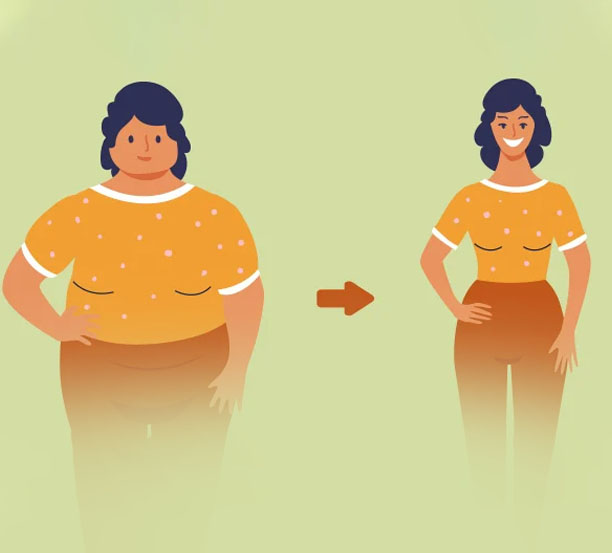
Loss of appetite along with unexplained weight gain can indicate underlying digestive, hormonal, or metabolic issues. Poor digestion, slow metabolism, gut inflammation, or chronic stomach disorders may disturb appetite regulation and body weight balance.
Our clinic provides comprehensive evaluation to identify digestive or systemic causes behind these symptoms. Treatment focuses on improving gut function, enhancing digestion, and correcting metabolic imbalances. Personalized dietary guidance and medical management help restore appetite control and maintain healthy weight. Early intervention prevents long-term complications and supports overall well-being.
Acidity (Heartburn)
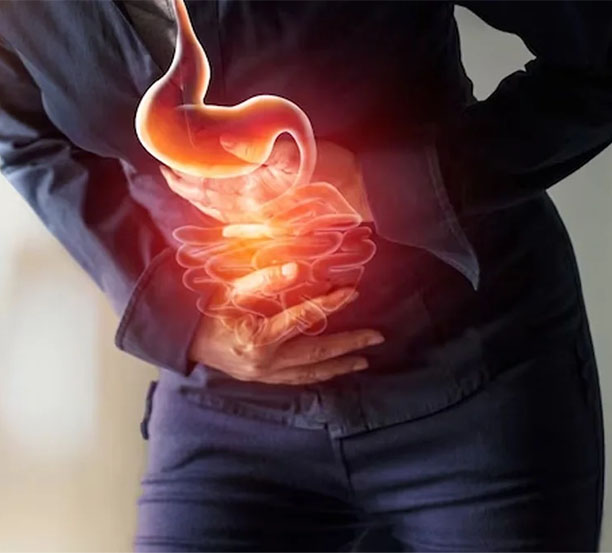
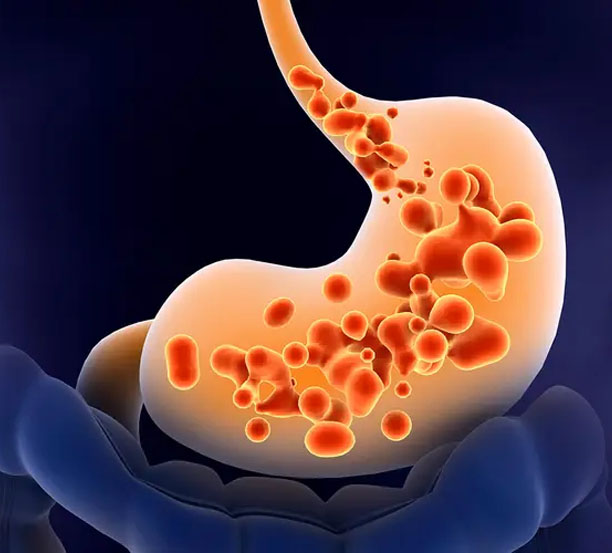
Acidity or heartburn is a common digestive complaint caused by excess stomach acid or improper digestion. Symptoms include burning sensation in the chest, sour taste, bloating, and discomfort after meals. Chronic acidity can significantly affect quality of life if left untreated.
We offer effective management of acidity through accurate diagnosis, dietary counseling, and appropriate medications. Treatment aims to reduce acid production, protect the stomach lining, and improve digestion. Lifestyle modifications are also emphasized to prevent recurrence and promote long-term digestive comfort.
Gastroesophageal Reflux Disease (GERD)
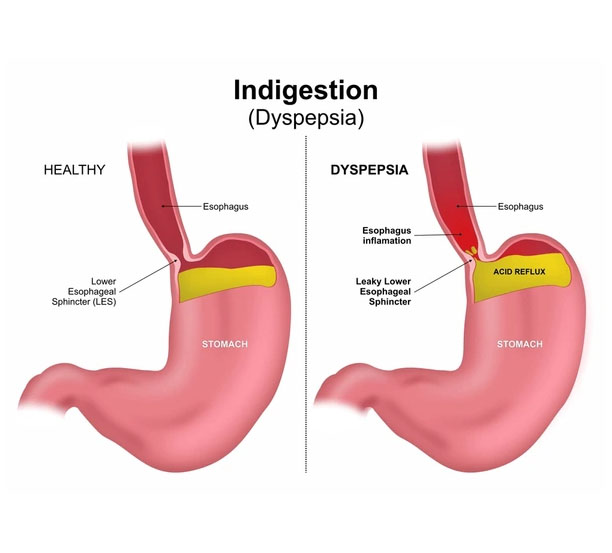
GERD is a chronic condition where stomach acid flows back into the food pipe, causing heartburn, chest discomfort, regurgitation, and throat irritation. Persistent GERD can damage the esophagus and lead to complications.
Our clinic specializes in comprehensive GERD management with a focus on symptom relief and prevention of complications. Treatment includes medications, dietary changes, and lifestyle guidance. Regular monitoring ensures long-term control and improved quality of life.
Difficulty in Swallowing (Dysphagia)
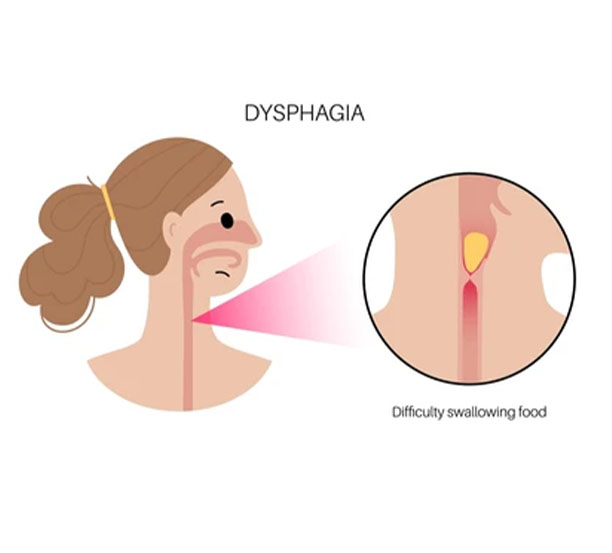
Dysphagia refers to difficulty or discomfort while swallowing food or liquids. It may result from esophageal narrowing, inflammation, reflux disease, or neurological conditions. Early diagnosis is crucial to prevent malnutrition and complications.
We conduct thorough evaluation to identify the cause of swallowing difficulty. Treatment is tailored to address the underlying condition and improve swallowing function. Our goal is to restore safe and comfortable eating for patients.
Indigestion / Dyspepsia
Indigestion is characterized by upper abdominal discomfort, bloating, nausea, and early fullness. It may be related to poor digestion, acid imbalance, stress, or underlying stomach disorders.
At our clinic, indigestion is managed through targeted therapy, dietary correction, and stress management. Accurate diagnosis ensures effective treatment and long-term digestive relief.
Chronic Diarrhea (Celiac Disease)
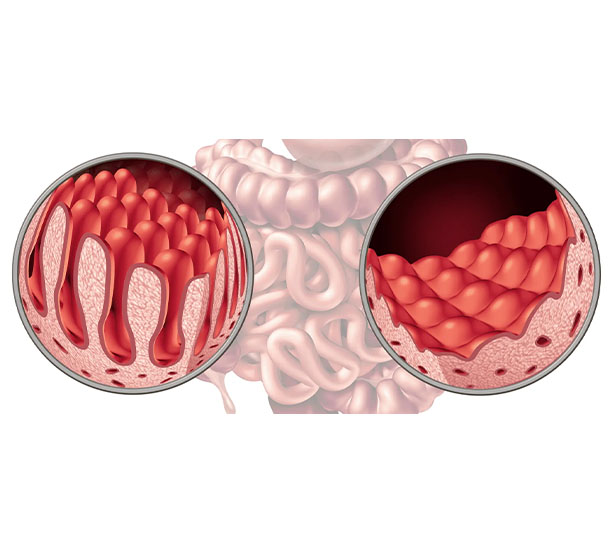
Chronic diarrhea can be a sign of celiac disease or other intestinal disorders affecting nutrient absorption. Symptoms include loose stools, weight loss, fatigue, and nutritional deficiencies.
We provide specialized evaluation and management of chronic diarrhea with focus on identifying gluten sensitivity or intestinal damage. Treatment includes dietary guidance and medical support to restore intestinal health and improve quality of life.
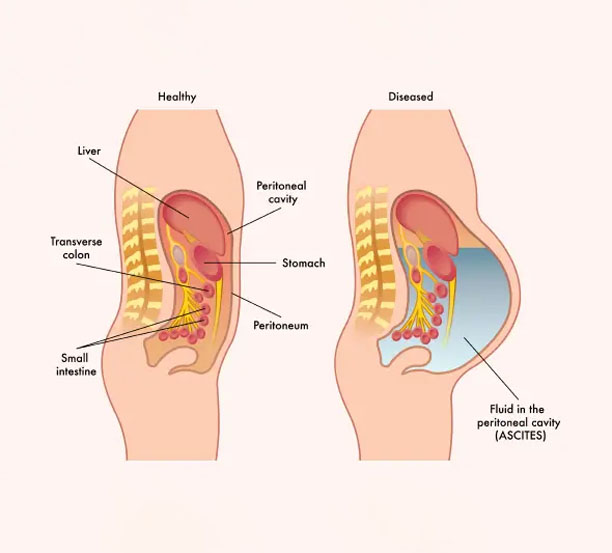
Abdominal Fluid Accumulation (Ascites)
Ascites refers to abnormal fluid accumulation in the abdomen, commonly associated with liver or intestinal diseases. It can cause abdominal swelling, discomfort, and breathing difficulty.
Our clinic offers expert evaluation and medical management of ascites, focusing on treating the underlying cause and relieving symptoms. Regular monitoring helps prevent complications and improve patient comfort.
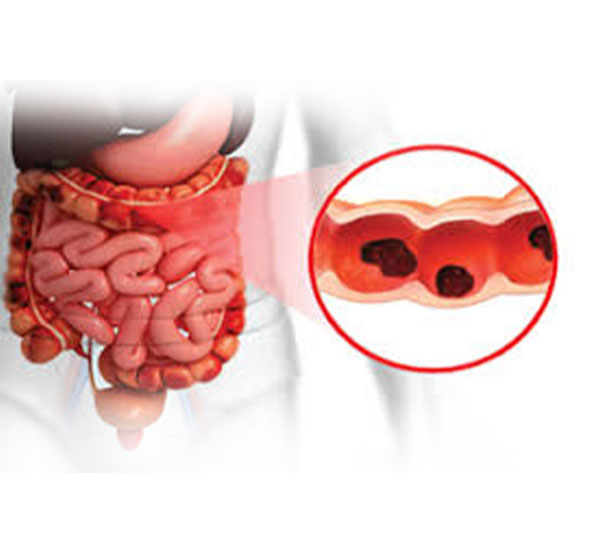
Tuberculosis of Intestine (GI TB)
Gastrointestinal tuberculosis affects the intestines and may cause abdominal pain, weight loss, diarrhea, and fever. Early diagnosis is essential to prevent serious complications.
We provide accurate diagnosis and structured treatment for GI tuberculosis, ensuring proper monitoring and recovery through complete medical care.
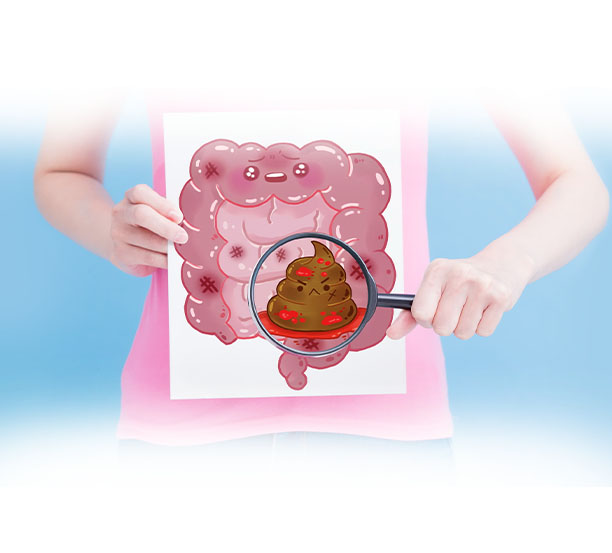
Blood in Stool
Blood in stool is an alarming symptom that may indicate piles, fissures, infections, inflammatory bowel disease, or tumors. It requires prompt medical evaluation.
Our clinic ensures detailed assessment to identify the source of bleeding. Treatment is customized based on the cause, ensuring safety and effective resolution of symptoms.
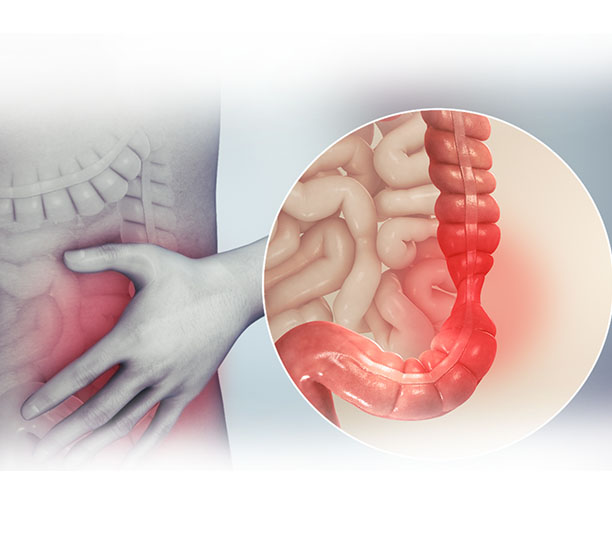
Irritable Bowel Syndrome (IBS)
IBS is a functional bowel disorder causing abdominal pain, bloating, diarrhea, or constipation. It is often triggered by stress, diet, and gut sensitivity.
We offer holistic IBS management including dietary planning, stress control, and medical therapy to improve bowel comfort and daily functioning.
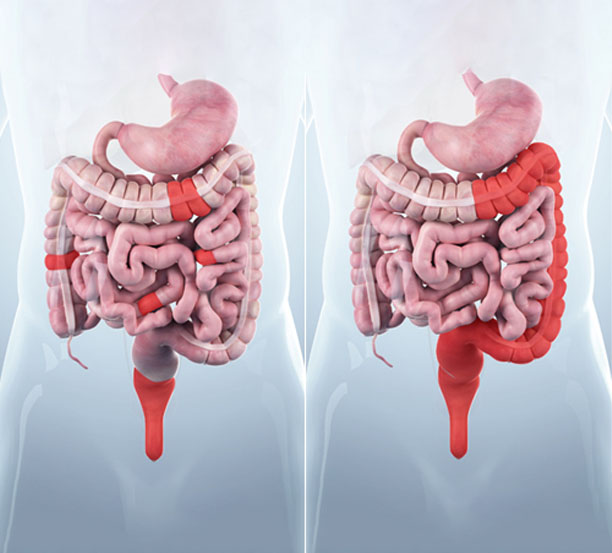
Intestinal Swelling (IBD – UC / Crohn’s Disease)
Inflammatory Bowel Disease includes Ulcerative Colitis and Crohn’s Disease, which cause chronic intestinal inflammation. Symptoms include diarrhea, pain, bleeding, and weight loss.
Our clinic provides long-term care and monitoring for IBD patients, focusing on controlling inflammation, preventing flare-ups, and maintaining remission.
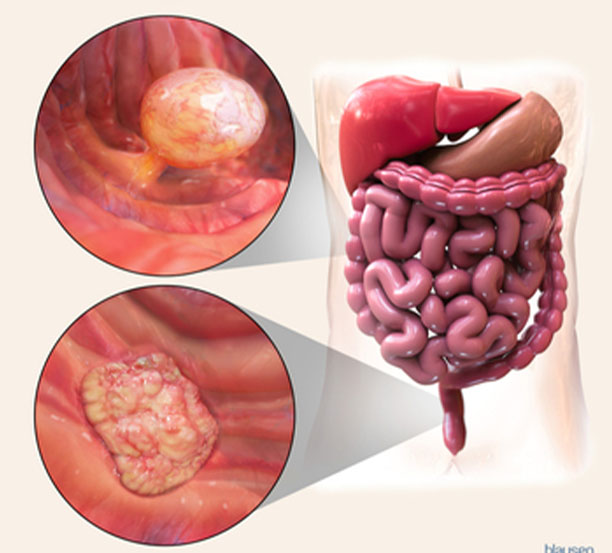
Intestinal Cancer, Polyps & Tumors
Intestinal cancers and polyps may remain silent in early stages. Symptoms may include weight loss, anemia, bleeding, and bowel habit changes.
We emphasize early detection, accurate diagnosis, and coordinated care for intestinal tumors. Supportive care and timely referral ensure best possible outcomes.
Piles (Hemorrhoids) & Fissure
Piles and anal fissures cause pain, bleeding, and discomfort during bowel movements. They often result from chronic constipation or straining.
Our clinic offers effective non-surgical management, dietary guidance, and medical treatment to relieve symptoms and prevent recurrence, ensuring patient comfort and dignity.