Pancreatitis
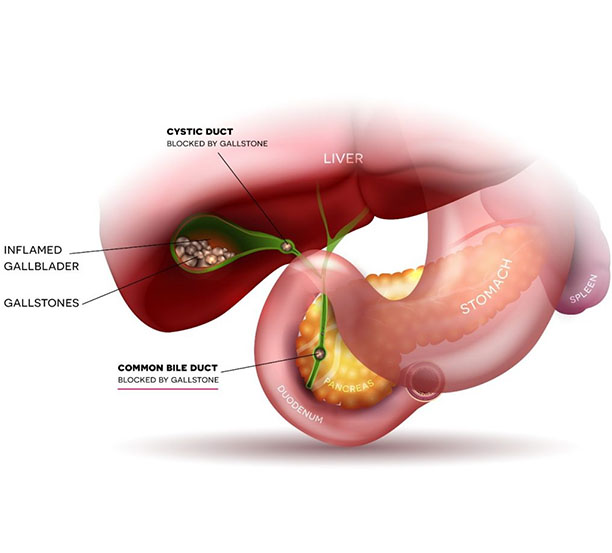
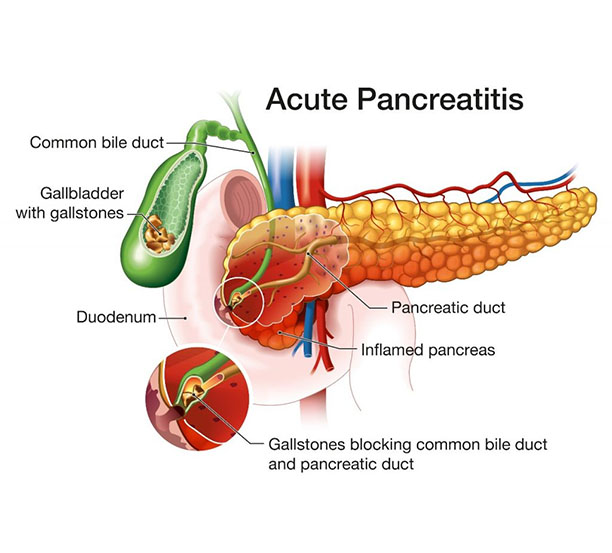
Pancreatitis is a condition marked by inflammation of the pancreas, an organ essential for digestion and blood sugar regulation. It can occur suddenly as acute pancreatitis or develop gradually as chronic pancreatitis. Common causes include gallstones, excessive alcohol intake, high triglyceride levels, and certain medications. Symptoms often include severe abdominal pain, nausea, vomiting, fever, and digestive discomfort.
At our clinic, pancreatitis is managed through timely diagnosis, careful monitoring, and personalized treatment plans. Blood tests, imaging studies, and clinical evaluation help determine the severity and underlying cause. Treatment focuses on pain relief, controlling inflammation, nutritional support, and managing complications. For chronic cases, long-term care is provided to improve digestion, prevent flare-ups, and enhance quality of life. Our aim is to protect pancreatic function and support patients through every stage of recovery.
Pancreatic Cancer
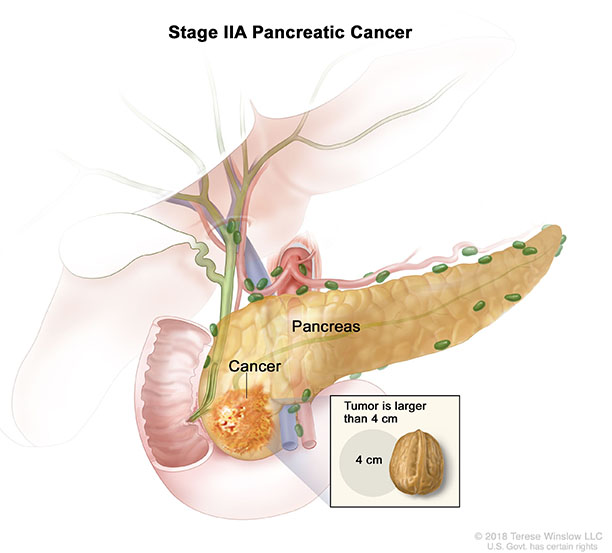
Pancreatic Cancer is a serious and often challenging condition that may not show early symptoms. As the disease progresses, patients may experience abdominal pain, weight loss, jaundice, loss of appetite, and fatigue. Risk factors include chronic pancreatitis, smoking, diabetes, and family history.
Our clinic emphasizes early evaluation and coordinated care for patients suspected of pancreatic cancer. Advanced diagnostic tools help in accurate detection and staging of the disease. We focus on symptom management, nutritional support, and timely referral for specialized oncological treatment when required. Patient counseling and supportive care play a crucial role in maintaining comfort and dignity throughout the treatment journey. Our comprehensive approach ensures that patients receive informed, compassionate, and continuous care.
Pancreatic Cyst
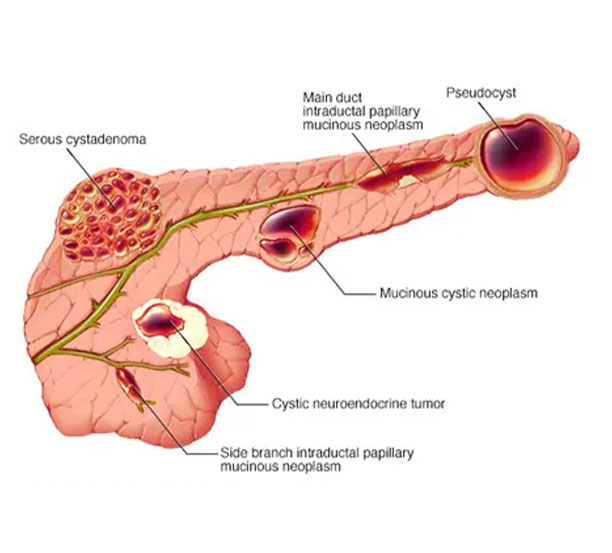
Pancreatic cysts are fluid-filled sacs that form on or within the pancreas. While many cysts are benign and asymptomatic, some may cause abdominal pain, bloating, nausea, or have the potential to become cancerous. Early identification and proper evaluation are essential to determine their nature and risk.
At our clinic, pancreatic cysts are carefully assessed using imaging studies and clinical evaluation. Treatment and follow-up depend on the type, size, and behavior of the cyst. Regular monitoring helps detect changes early and prevent complications. Our goal is to provide safe, evidence-based management while minimizing unnecessary interventions and ensuring long-term pancreatic health.
Gall Bladder & Bile Duct Disorders
Gall bladder and bile duct disorders can disrupt the normal flow of bile, leading to pain, indigestion, jaundice, and infections. Common conditions include gallstones, inflammation, bile duct blockage, and infections. These disorders can significantly affect digestion and overall well-being if left untreated.
Our clinic offers comprehensive evaluation and treatment for gall bladder and bile duct disorders. Accurate diagnosis helps identify the exact cause of symptoms. Treatment plans are customized and may include medication, dietary guidance, or referral for further intervention when needed. With timely care and regular follow-up, complications can be prevented and digestive health can be restored.
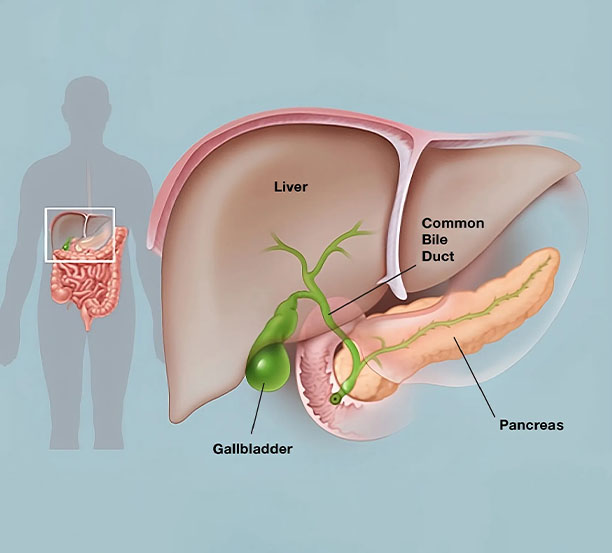
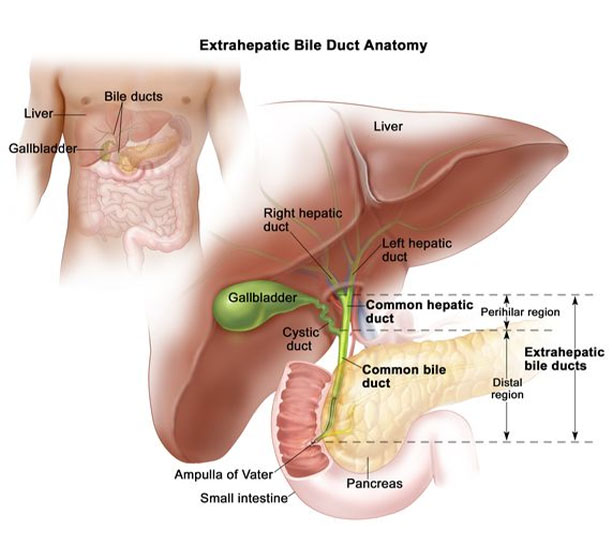
Common Bile Duct (CBD) Cancer
Common Bile Duct Cancer is a rare but serious condition that affects the ducts carrying bile from the liver to the intestine. Symptoms often include jaundice, itching, pale stools, dark urine, and unexplained weight loss. Early diagnosis is crucial for better outcomes.
We provide thorough evaluation and supportive care for patients with suspected or diagnosed CBD cancer. Our approach includes accurate diagnosis, symptom management, and coordination with specialized treatment centers. Nutritional support, pain control, and patient counseling are integral parts of care. Our focus is on improving quality of life and ensuring patients receive timely and appropriate medical guidance.
Bile Duct Stones
Bile duct stones occur when gallstones migrate into the bile ducts, causing blockage and inflammation. This condition can lead to severe abdominal pain, jaundice, fever, and infection if not treated promptly.
At our clinic, bile duct stones are diagnosed using imaging and laboratory tests. Treatment focuses on relieving obstruction, managing infection, and preventing recurrence. Patients are guided through appropriate treatment options and post-treatment care. With early intervention and expert management, most patients experience rapid symptom relief and long-term recovery.