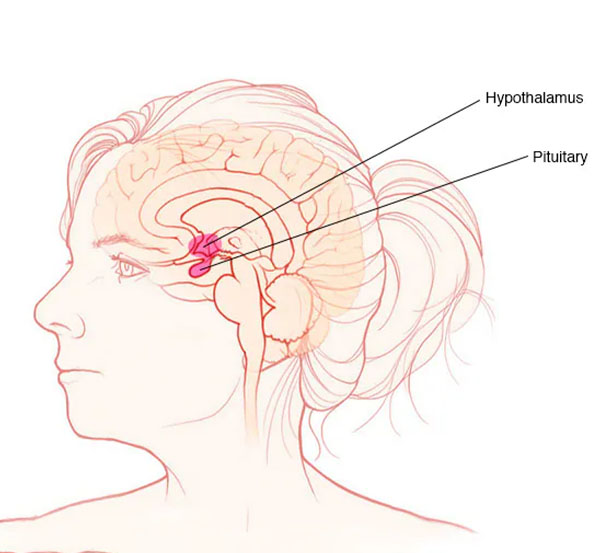
Hypopituitarism
Hypopituitarism is a condition in which the pituitary gland does not produce one or more of its essential hormones in adequate amounts. Since the pituitary is known as the “master gland,” its hormones regulate growth, thyroid function, adrenal glands, reproduction, and metabolism. Deficiency can lead to symptoms such as fatigue, weakness, weight changes, low blood pressure, infertility, delayed puberty, and reduced quality of life.
At our clinic, hypopituitarism is diagnosed through detailed hormonal evaluation, imaging when required, and careful clinical assessment. Treatment focuses on hormone replacement tailored to the patient’s specific deficiencies. Regular monitoring and dose adjustments are essential to maintain hormonal balance and prevent complications. With timely diagnosis, personalized therapy, and long-term follow-up, patients can achieve stable health, improved energy levels, and better overall functioning.
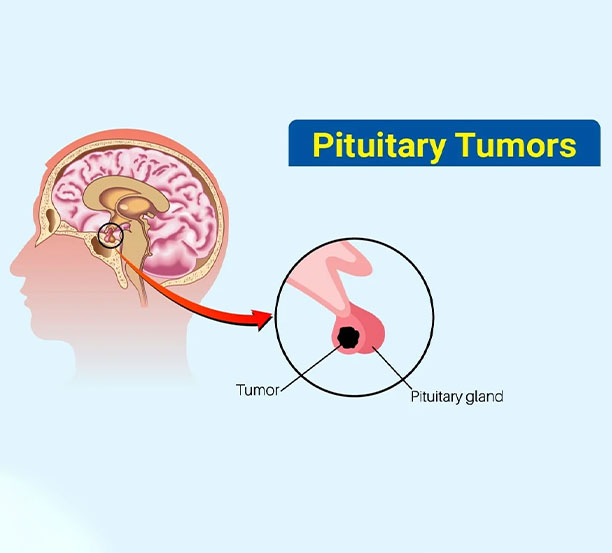
Pituitary Tumors
Pituitary tumors are usually benign growths arising from the pituitary gland but can significantly affect hormone production and surrounding structures. Depending on the type, these tumors may cause excess hormone secretion or hormone deficiency. Common symptoms include headaches, vision problems, menstrual irregularities, infertility, abnormal growth, and unexplained weight changes.
Our clinic provides comprehensive evaluation of pituitary tumors through hormonal testing and imaging studies. Management depends on tumor size, type, and hormonal activity and may include medical therapy, regular monitoring, or referral for specialized intervention when necessary. Patient education and long-term follow-up are crucial to ensure effective control of hormonal imbalance and preservation of normal pituitary function. Early detection helps prevent complications and improves long-term outcomes.

Hormonal Issues in Women
Hormonal imbalance in women can affect menstrual cycles, fertility, mood, weight, skin, and overall well-being. Common causes include pituitary disorders, thyroid problems, PCOD, and stress-related hormonal changes. Symptoms may range from irregular periods and infertility to fatigue, hair fall, acne, and mood swings.
At our clinic, hormonal issues in women are managed through a holistic and individualized approach. Detailed hormonal assessment helps identify the underlying cause. Treatment plans include hormonal regulation, lifestyle modification, nutritional guidance, and medical therapy as required. Regular follow-up ensures sustained balance and symptom relief. Our goal is to support women’s hormonal health, reproductive well-being, and long-term quality of life.
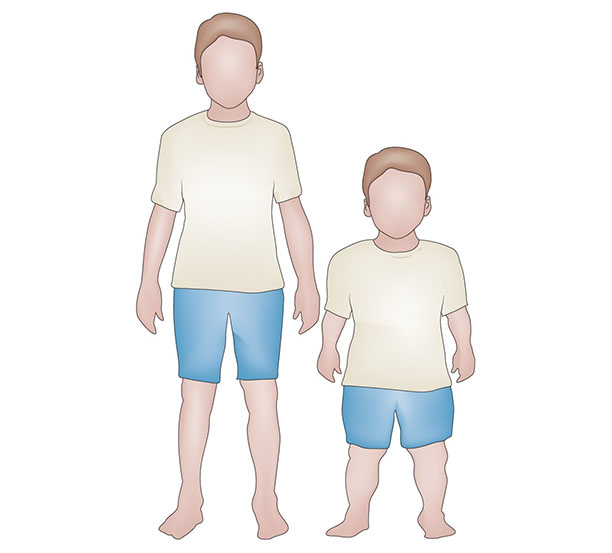
Short Stature or Excessive Height
Abnormal growth patterns such as short stature or excessive height may result from hormonal imbalance, particularly growth hormone disorders linked to pituitary function. In children and adolescents, these conditions can affect physical development and emotional well-being. In adults, abnormal growth may signal underlying endocrine disorders.
Our clinic offers specialized evaluation of growth-related concerns using hormonal tests, growth assessment, and clinical monitoring. Early diagnosis allows timely intervention to optimize growth outcomes. Treatment may include hormone therapy and regular monitoring to ensure safe and effective results. With expert care, many patients can achieve improved growth patterns and better long-term health outcomes.

Weakness & Bone Pain due to Hormonal Imbalance
Hormonal imbalance can weaken bones, leading to osteoporosis, bone pain, muscle weakness, and increased fracture risk. Conditions such as pituitary disorders, thyroid imbalance, and low sex hormones can reduce bone density over time, often without early symptoms.
At our clinic, osteoporosis and hormone-related bone disorders are evaluated through hormonal tests and bone health assessment. Treatment focuses on correcting hormonal imbalance, strengthening bones, and preventing fractures. Nutritional guidance, lifestyle changes, and appropriate medications play a vital role. Regular monitoring helps maintain bone strength and mobility, improving overall quality of life.
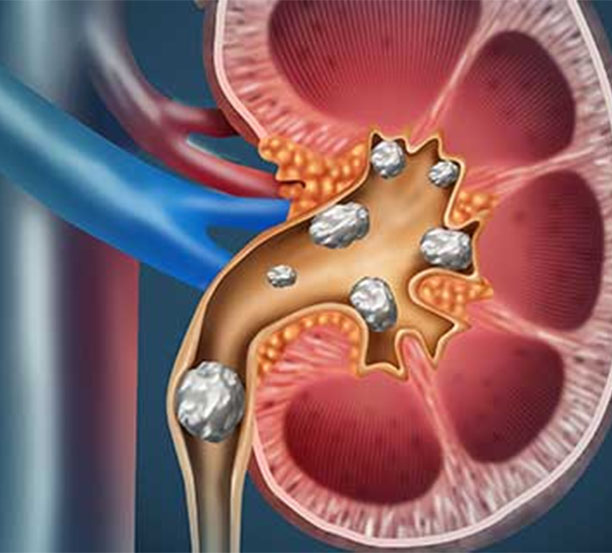
Recurrent Kidney Stones
Recurrent kidney stones may be linked to underlying hormonal disorders such as parathyroid or pituitary-related imbalances affecting calcium metabolism. Frequent stones can cause severe pain, urinary infections, and long-term kidney damage if not addressed properly.
Our clinic emphasizes identifying the hormonal and metabolic causes of recurrent kidney stones. Comprehensive evaluation helps guide targeted treatment to prevent recurrence. Management includes medical therapy, dietary counseling, and long-term monitoring. Addressing the root cause significantly reduces future stone formation and protects kidney health.

Frequent Fractures
Frequent fractures may indicate underlying bone weakness due to hormonal imbalance, osteoporosis, or metabolic disorders. Even minor trauma can result in fractures when bone strength is compromised, especially in older adults and individuals with endocrine disorders.
At our clinic, frequent fractures are evaluated through hormonal assessment and bone health analysis. Treatment aims to strengthen bones, correct hormonal deficiencies, and reduce future fracture risk. Patient education, lifestyle guidance, and regular follow-up are essential components of care. With early diagnosis and proper management, bone health can be improved and long-term complications prevented.